1. Safety and scope
The team explains what it can handle and which parts, like testing a site where drugs were made, need a different plan.
Corvallis, OR · Benton County
Unknown powder, syringes and stained carpet in a Corvallis home all call for the same step. Stay out, keep others away and call (877) 812-4220 for removal, cleaning and disposal.
If anyone is in danger, call 911 first. For a suicide crisis, call or text 988.
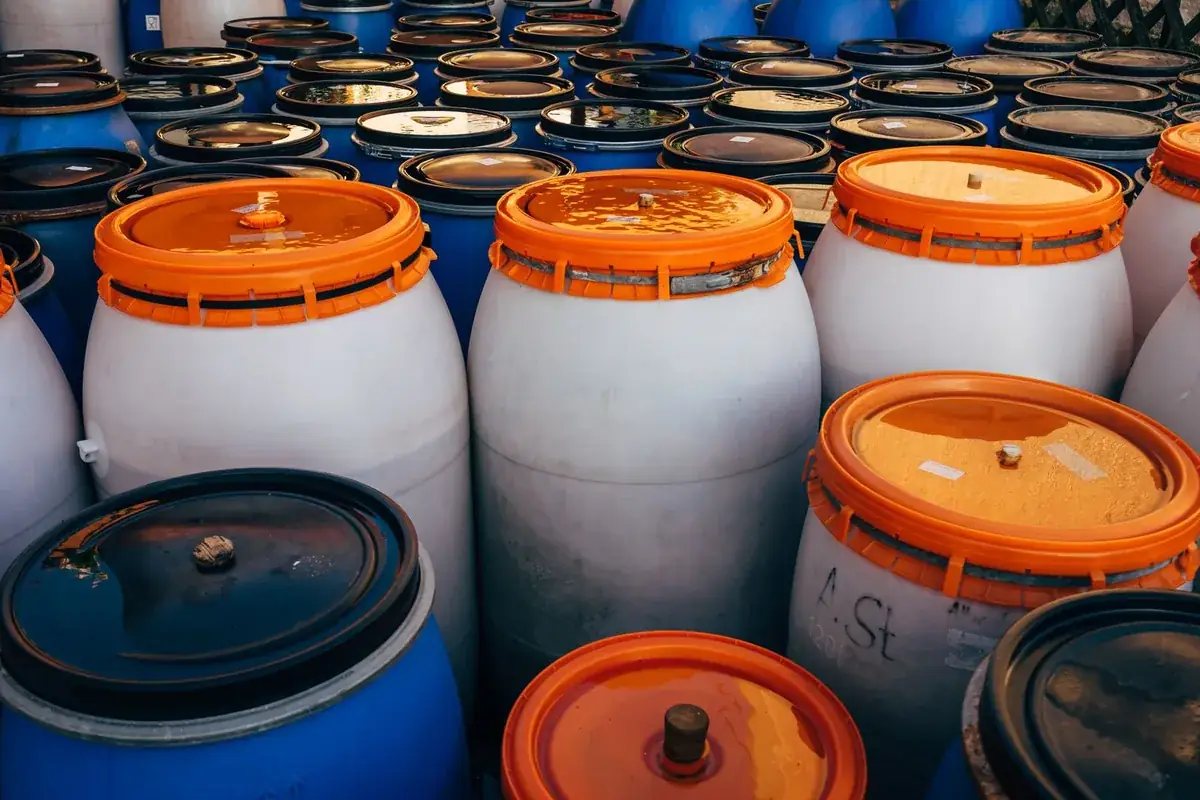
Drug residue cleanup removes powders, stains and films left on floors, furniture and fabrics after drug use. Because residue is often invisible and hard to identify, crews treat it as hazardous.
Families in Corvallis and Benton County who need help after a loved one's crisis can call Corvallis Biohazard Cleanup Help. Crews clear the room calmly and quietly and can arrive in an unmarked vehicle if privacy matters to you.
Renters make up about 58% of households in Corvallis, so landlords often need paraphernalia cleared between tenants. After a needle stick or exposure to an unknown substance, get medical care. Samaritan Albany General Hospital in Albany is the closest emergency room to Corvallis.
A typical drug paraphernalia cleanup job includes:
The team explains what it can handle and which parts, like testing a site where drugs were made, need a different plan.
Crews put on gloves, eye protection and respirators when needed, then search every room for sharps and other items.
Contaminated materials are bagged and carried out. Rebuilding or replacing them can wait until the space is clean.
The team removes the waste and shares what was done so the owner can keep it on file.
The cost of drug paraphernalia cleanup in Corvallis, OR depends on the amount of material, how it is packed and how it is hauled.
A site where drugs were manufactured needs testing and a different plan. If that applies, the scope and price are different from standard paraphernalia cleanup.
| Type of job | Typical range |
|---|
These ranges come from published cost guides () and are not a quote for Corvallis. Price drivers include amount of material, whether residue is present, surfaces affected, waste disposal. For a real number, call (877) 812-4220.
Call 911 right away. Cleanup can wait. After the emergency is over and the space is released, a cleanup team can handle the items and residue left behind.
A single room can be cleared quickly, while a house with hidden items, soiled carpet and odor takes longer. The time depends on the amount of material and access. A team can give a realistic idea after hearing the details.
A careful cleanup removes the items and cleans the surfaces it covers. Testing is a separate step, and rules vary by place. Ask the team what it did and did not check, and ask the local health department what applies where you live.
The owner of the property usually pays at first. Lease terms and local law decide who is responsible in the end. A landlord, an attorney or a tenant rights group can say. Keep any record the cleanup team gives you, since a landlord or insurer may ask for it.
Wash the area with soap and water and get medical care right away. Call 911 in an emergency. Poison Control can answer exposure questions. Tell the doctor what happened and where the needle was found, if you know.
In many cases the person who calls does not need to be at the property. Ask the team how access and keys can be arranged. If you are out of town, say so when you call. Many teams can arrive in an unmarked vehicle.
If anyone is hurt or unresponsive, call 911 first, then call for cleanup.
Call (877) 812-4220